Introduction
In the world of health care, stoma care is a specific field that requires both knowledge and compassion. As even more people undertake procedures that result in the creation of a stoma-- whether due to health problem, surgery, or injury-- the need for competent carers that can offer effective support has never ever been greater. This post explores the complexities of stoma care training, intending to encourage those in caregiving roles. With proper education and learning and training, carers can substantially boost the quality of life for those coping with a stoma.
Understanding Stomas: What Is a Stoma?
A stoma is a synthetic opening created throughout surgeries to permit waste elimination from the body. It may be short-lived or permanent and can arise from surgical procedures associated with bowel diseases, cancer cells, or hereditary concerns. Understanding what constitutes a stoma is crucial for any kind of caretaker involved in stoma care training.
What Is an Ostomy?
An ostomy refers to the treatment that creates a stoma. It includes different kinds based on the component of the body entailed-- colostomy (huge intestinal tract), ileostomy (tiny intestinal tract), and urostomy (urinary system). Each type offers unique difficulties and factors to consider in care.
What Is Ostomy Care?
Ostomy care involves managing and caring for the stoma as well as the bordering skin. Appropriate ostomy care is vital for preventing complications such as skin inflammations, infections, and various other discomforts associated with coping with an ostomy.
The Importance of Stoma Care Training for Carers
Stoma treatment training is important for carers since it furnishes them with the required skills to offer effective assistance. A trained carer can aid patients handle their problem with confidence, attending to both physical and psychological needs.
Why Ought to Carers Pursue Specialized Training?
Specialized training assists carers recognize:

- The anatomy and function of different sorts of stomas. The mental impact on patients post-surgery. Techniques for changing ostomy bags safely. How to determine prospective difficulties early.
NDIS Complex Bowel Care Training: Fulfilling Varied Needs
For carers functioning within frameworks like the National Disability Insurance Policy Scheme (NDIS), complex bowel care training ends up being necessary. This program uses particular guidance tailored towards people with handicaps needing specialized digestive tract management techniques.
Complex Bowel Treatment Training course Overview
A complex bowel care course usually covers:
Anatomy relevant to bowel health. Different types of bowel disorders. Techniques for managing irregular bowel movements and fecal incontinence. Best techniques in health and security throughout bowel care procedures.Benefits of NDIS Complex Bowel Care Training
The benefits include:
- Enhanced understanding of individual needs. Improved client outcomes with customized interventions. Increased self-confidence among carers when providing support.
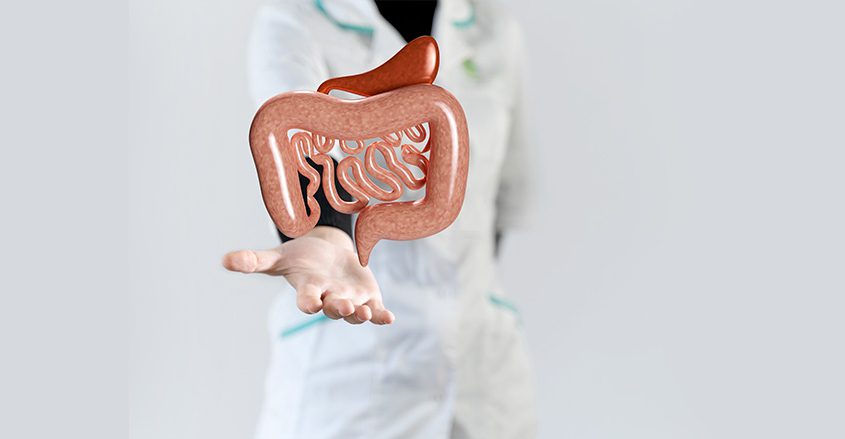
Bowel Treatment Monitoring: Secret Principles
Effective bowel care management entails a number of crucial principles that every carer ought to understand:
Caring for an Ostomy: Finest Practices
Caring for an ostomy requires details techniques targeted at promoting comfort and hygiene while minimizing complications.
Daily Management Techniques
- Inspecting the Stoma: Routine checks ensure any problems are attended to promptly. Cleaning Procedures: Using mild cleansers keeps skin irritation at bay.
Selecting Ideal Products
Choosing ideal ostomy items-- like bags and sticky wafers-- based on individual choices enhances comfort degrees significantly.
Common Challenges Dealt with by Carers in Stoma Care
While taking care of a person with a stoma can be satisfying, it also provides obstacles that call for skilled navigation.
Emotional Assistance Needs
Patients frequently experience anxiousness or depression post-surgery; hence, offering emotional support is critical.
Physical Complications
Skin breakdown or leakage from ostomy bags prevail concerns that call for instant focus from qualified carers.
Stoma Care Training Programs Readily Available Today
Various training programs exist aimed at furnishing caregivers with crucial abilities in stoma care:
Online courses In-person workshops Comprehensive qualification programsEach program focuses on boosting understanding pertaining to stomas while supplying sensible services customized in the direction of real-life circumstances dealt with by both people and carers alike.
Creating a Supportive Atmosphere For Clients With Ostomies
Empowering clients involves producing an encouraging environment where they really feel comfy discussing their experiences honestly without fear or embarrassment.
Open Interaction Channels
Encouraging dialogue between people and caregivers fosters count on which leads to better wellness outcomes overall.
Encouragement Through Peer Assistance Networks
Connecting clients with peer support groups permits individuals to share experiences, dealing approaches, and sources-- all indispensable tools for anyone adjusting to life with an ostomy!
Frequently Asked Inquiries (FAQs)
1. What credentials do I need for stoma care training?
Typically, no formal credentials are Helpful resources called for; nonetheless, prior experience in medical care or caregiving can be beneficial when seeking specialized training courses focused on stomas or bowel monitoring practices.
2. For how long does it take to complete a complex bowel care course?
Course lengths differ depending upon content depth however typically vary from someday as much as several weeks if detailed accreditation is searched for completion!
3. Can I give personal support without formal training?
While individual support is always valued by those living with conditions calling for complicated administration strategies like ostomies-- formal education and learning ensures you have ample knowledge regarding possible difficulties & & best practices!
4. Are there online options available for discovering ostomy care?
Yes! Many companies provide on the internet courses developed especially around enlightening caregivers concerning reliable ways they can assist people readjusting post-surgery!
5. Do I require specialized tools or items when taking care of someone's ostomy?
Yes! Particular materials such as barrier creams & & specific sorts of pouches might aid greatly in preserving skin honesty around locations straight impacted by having a man-made opening created surgically!
6. Just how can I stay updated on ideal techniques pertaining to stomas?
Regularly participating in workshops/webinars in addition to registering for appropriate magazines ensures you continue to be informed about developments taking place within this vital area worrying health care distribution systems today!
Conclusion
In conclusion, mastering the art of offering reliable support through stoma care training engenders not simply technological proficiency but additionally deep compassion towards individuals browsing life post-stomach surgical treatments resulting either temporarily/permanently changing body functions! By equipping caretakers via education-focused initiatives like these described above-- people gain access not just clinical competence however emotional support throughout their journey towards healing! Every person deserves thoughtful help regardless of scenarios encountered along paths in advance loaded unpredictabilities in advance so let us aim together towards developing brighter futures in advance one qualified carer sometimes!
By prioritizing proceeding education possibilities surrounding subjects such as "what is a stoma" & & "looking after an ostomy," we ensure our communities foster resilience amongst vulnerable populations affected significantly due continuous fights fought daily against persistent ailments needing comprehensive holistic approaches customized particularly towards success experienced inevitably with joint efforts made collectively within culture itself!